




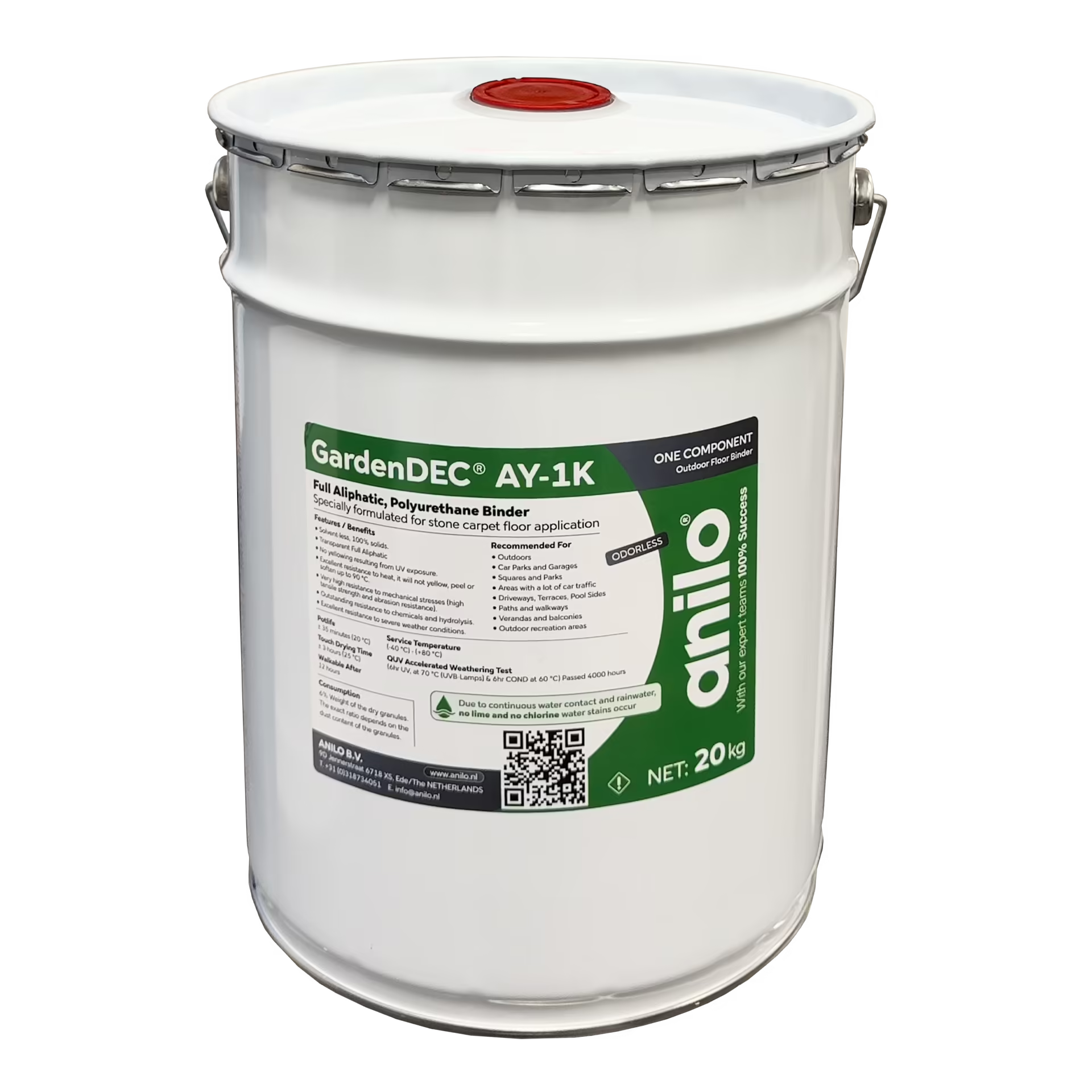

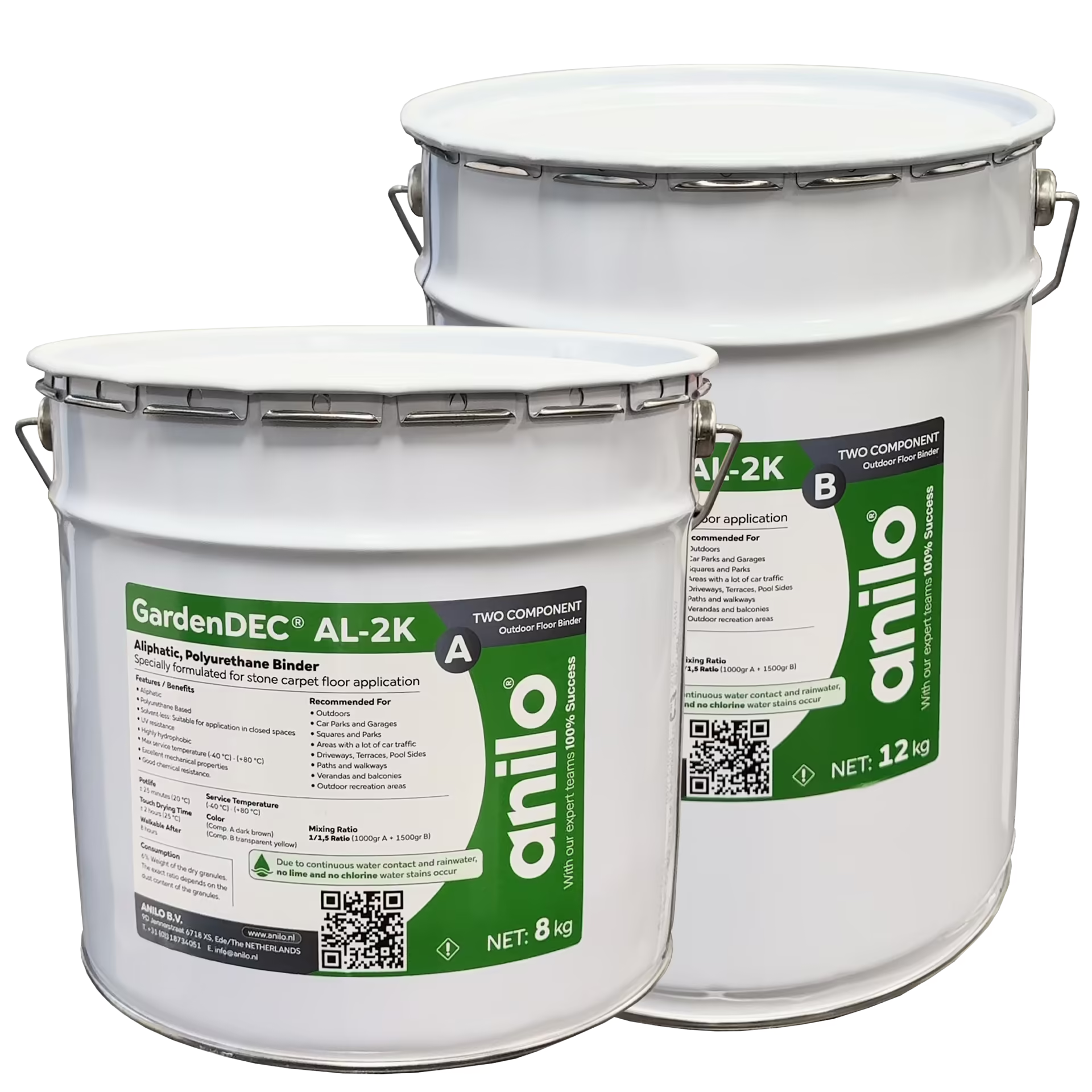
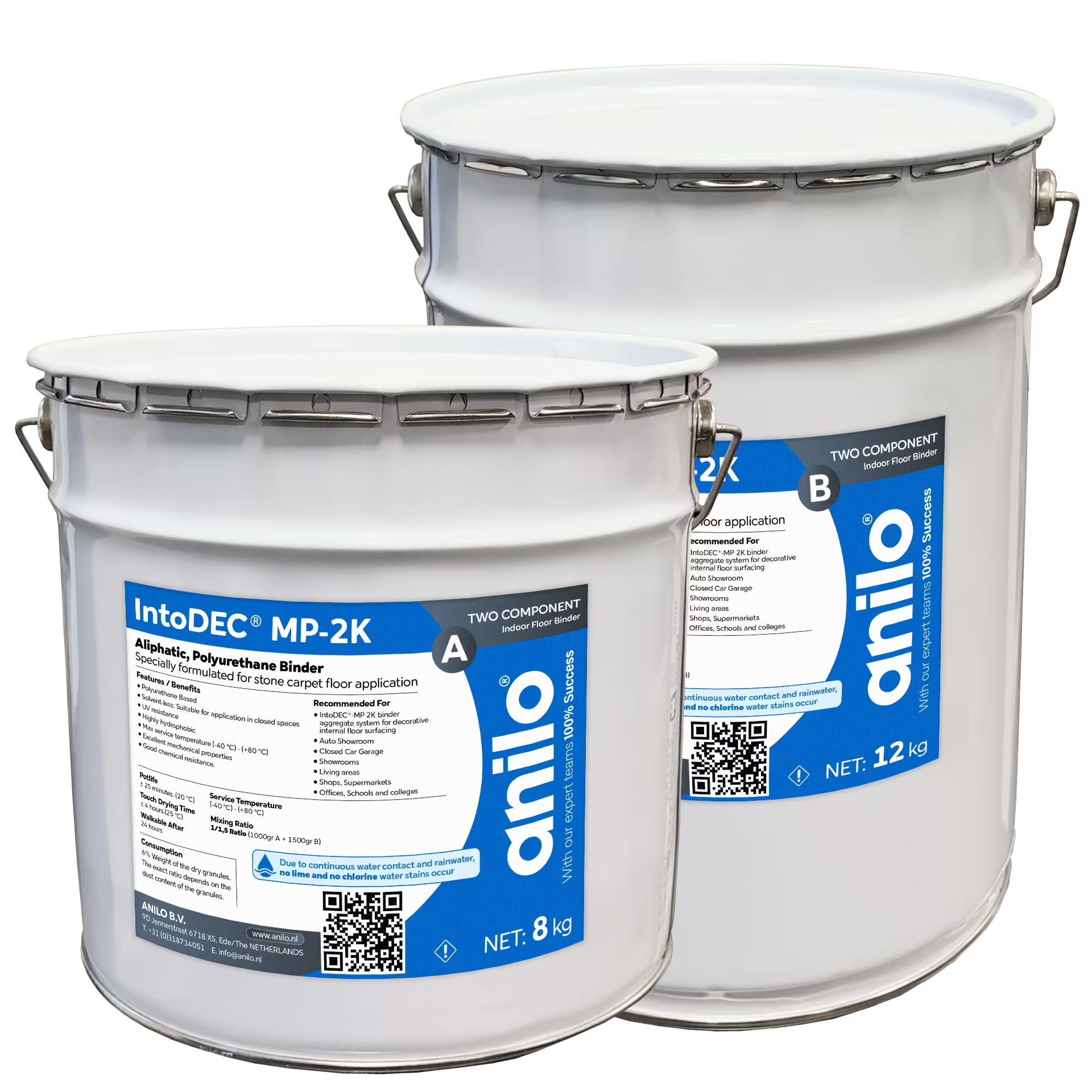
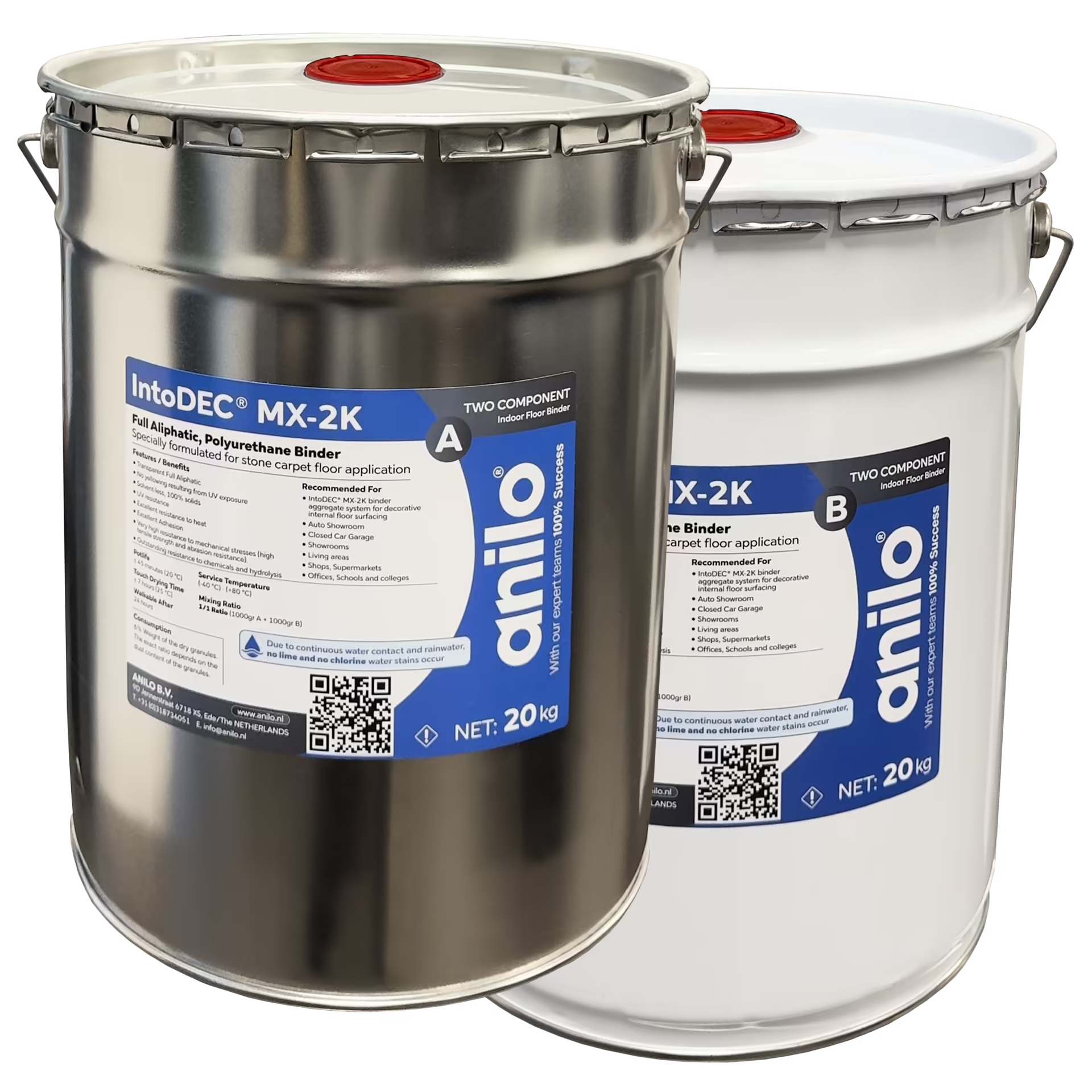



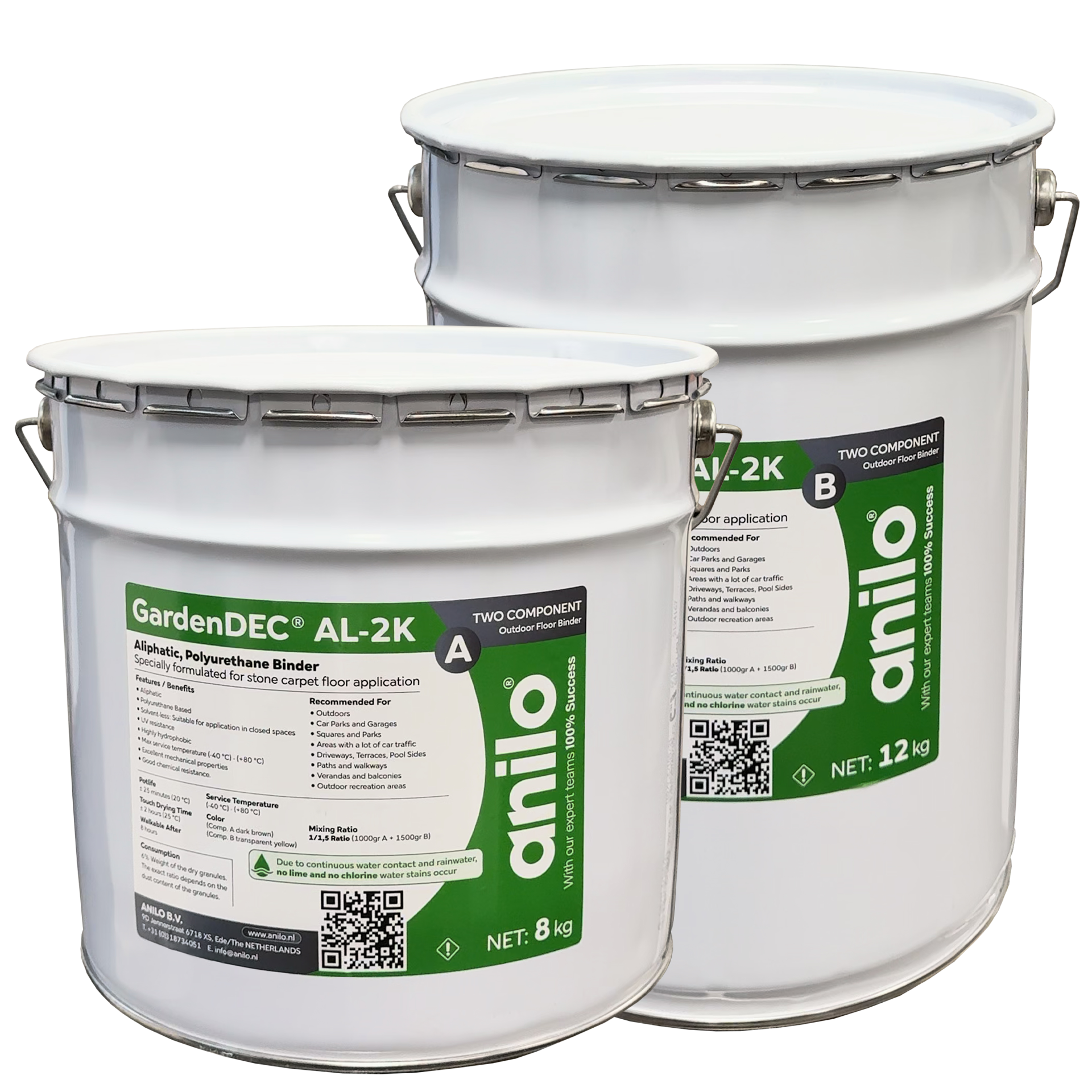



The difference between aliphatic polyurethane aggregate binders and full aliphatic 100% aliphatic production lies in their chemical composition and performance characteristics. Here are the key differences:
- Aliphatic Polyurethane Aggregate Binders:
- Aliphatic polyurethanes can be a mixture of aliphatic (unsaturated) and aromatic (saturated) groups.
- These binders are typically not 100% aliphatic, meaning they contain a lower percentage of aliphatic components.
- A lower aliphatic content can reduce the chemical resistance and durability against environmental factors.
- These binders usually have a shorter lifespan, lower water resistance, and less UV stability compared to full aliphatic polyurethanes.
- Full Aliphatic (100% Aliphatic) Polyurethanes:
- 100% aliphatic polyurethanes are made entirely from aliphatic components, which offer superior properties such as high chemical stability, water resistance, and UV durability.
- Aliphatic structures form stronger chemical bonds, leading to more durable, flexible, and environmentally resistant surfaces.
- Full aliphatic polyurethanes are ideal for outdoor applications due to their excellent hydrophobic properties and UV resistance.
In conclusion:
Full aliphatic non-polyurethanes generally contain aliphatic components in lower percentages and are often chosen for more economical, short-term applications.
100% aliphatic polyurethanes offer higher performance, durability, and resistance, but they are more challenging to produce and typically more expensive.